Running a Climate Education Nonprofit
Context:
When I was 16, I began The Compass Online as an independent initiative designed to make global education and climate action more accessible to young people. Over almost four years, the platform evolved from a cultural education website into a global climate learning and action nonprofit that connected students with sustainability knowledge, local volunteer opportunities, and international programs. Over time, the nonprofit reached more than 20,000 users across 75+ countries and supported multiple climate education and social impact projects.
The work combined digital product development, program design, partnership with international NGOs, and community mobilization.
Phase 1: Building a Global Education Platform
Growing up in the United States, history classes frequently repeated American history but had almost no discussion of global cultures or religions. Existing materials about these topics were scattered across academic publications, government databases, and institutional programs.
The first version of The Compass Online was built as a centralized digital resource for global education. The website included:
Country-level educational content based on data from the CIA World Factbook
Introductory resources on major world religions and cultures
A literary and art magazine showcasing global stories and perspectives
The website was built from scratch and expanded through a distributed volunteer team that helped develop content and editorial materials. As a result, we were able to attract an international audience and publish six editions of our cultural literary magazine before later expansion into climate and sustainability initiatives.
Phase 2: Pivot to Climate Education and the SDGs
As the platform gained more volunteers from regions of Africa, I became aware of how inaccessible climate change education was to students outside of specialized academic programs or geographic regions. Many young people wanted to contribute locally, but did not know where to begin.
The platform pivoted to focus on sustainability and climate action. I removed the literary magazine, since it distracted from the core focus of education. Instead, I replaced it with educational materials covering the UN Sustainable Development Goals, climate change fundamentals, and online video courses powered through Udemy.
The redesigned platform expanded its reach significantly and became the foundation for several climate-focused programs. New volunteers from across Africa, Asia, and North America used their skill sets to work on developing new courses.
Phase 3: AI Tool for Local Climate Action
After providing tools to learn about topics, I realized this wasn’t beneficial unless students could apply their learning. However, many people do not volunteer because they cannot find an organization that matches their interests and skill sets.
I designed an AI-enabled tool that helped students personalize their volunteering opportunities. It asked students about their location, age, skills, and interests to pair them with 3-5 relevant opportunities, community projects they could run, or advocacy campaigns they could launch.
More than 250 youth used the tool to identify local opportunities and become involved in climate-related initiatives.
Phase 4: International Climate Education Programs
This work began to gain attention from real-world programs. I began to partner with organizations to create impact in-person.
Project Code Red - Kenya
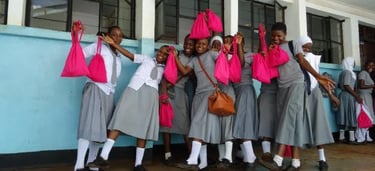
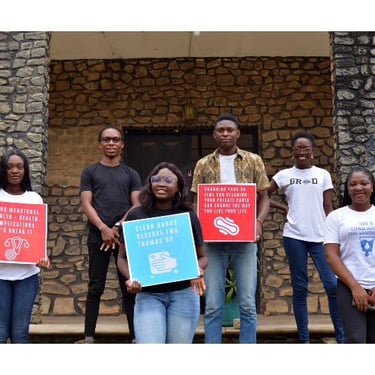
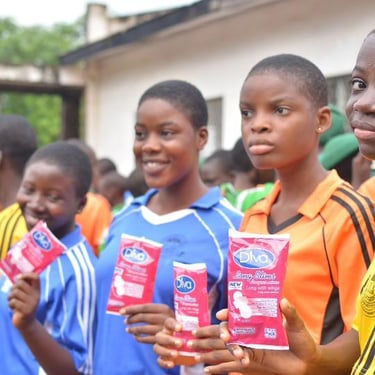
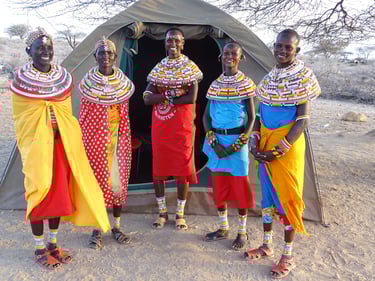
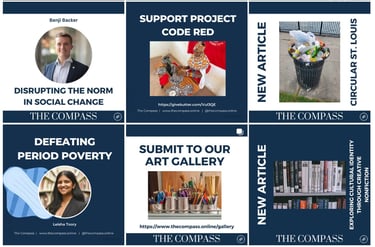
In rural areas of Kenya, many girls lack access to menstrual hygiene products, which prevents them from attending school consistently. Through a partnership with the Deaton Institute’s social impact incubator program at the University of Missouri, we launched a program that funded reusable hygiene products for girls in rural communities. The initiative supported distribution efforts and provided women and girls with menstrual products. The result was 50 girls improving their school attendance and health outcomes.
Climate Education Programs in Nigeria
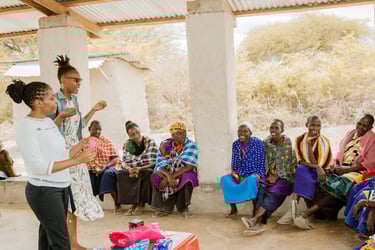
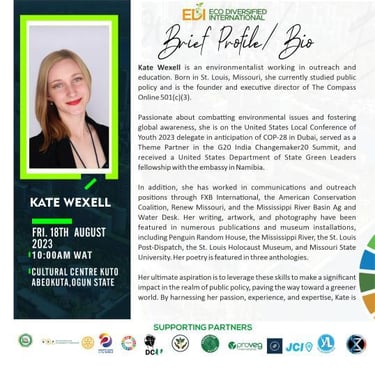
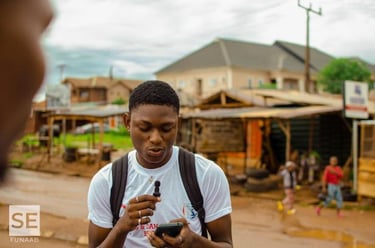
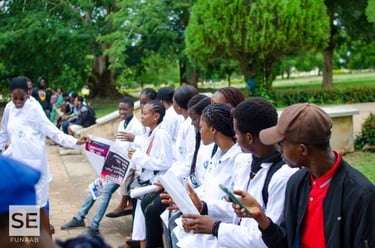
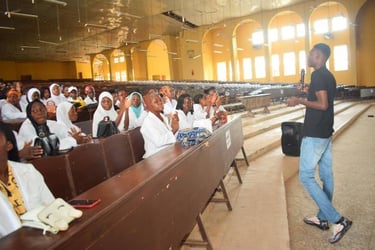
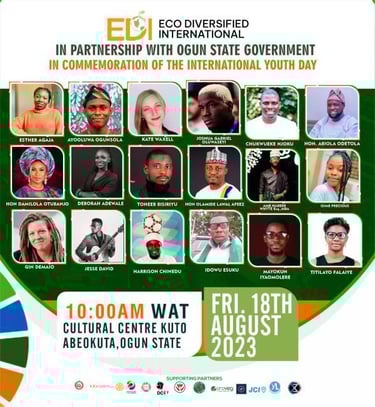
In certain areas of Nigeria, more than 90% of students were unaware of climate change. I partnered with organizations like Eco Diversified International to provide curricula. Then, they completed a tour around Nigerian universities to administer workshops. The workshops included training facilitators using our curricula to teach students about climate change, SDGs, how to start their own climate projects, and concluded by planting trees. The program was able to reach 2,000 students through in-person climate education sessions.
Phase 5: Recognition and Global Reach
This led the initiative to grow into a global platform used by students in more than 75 countries. It also gained recognition from several international organizations.
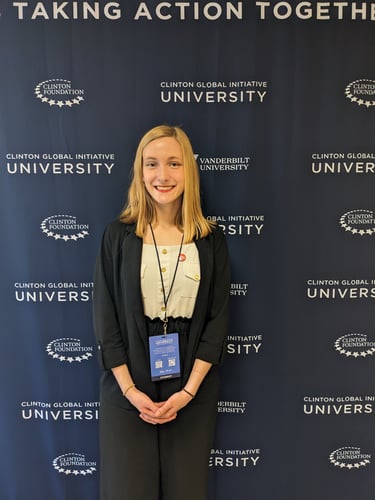
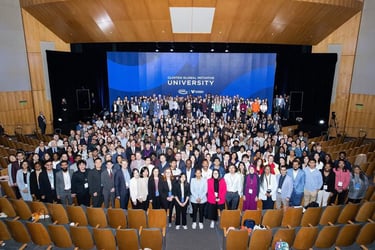
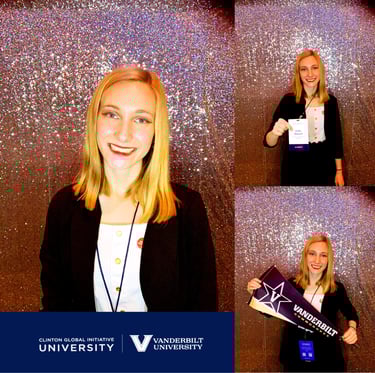
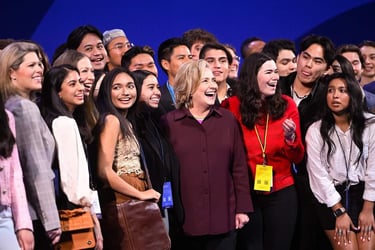
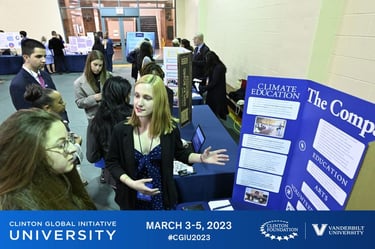
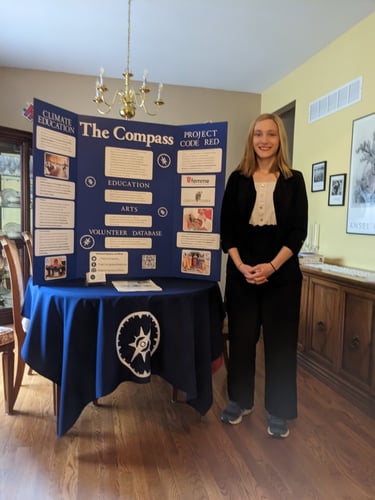
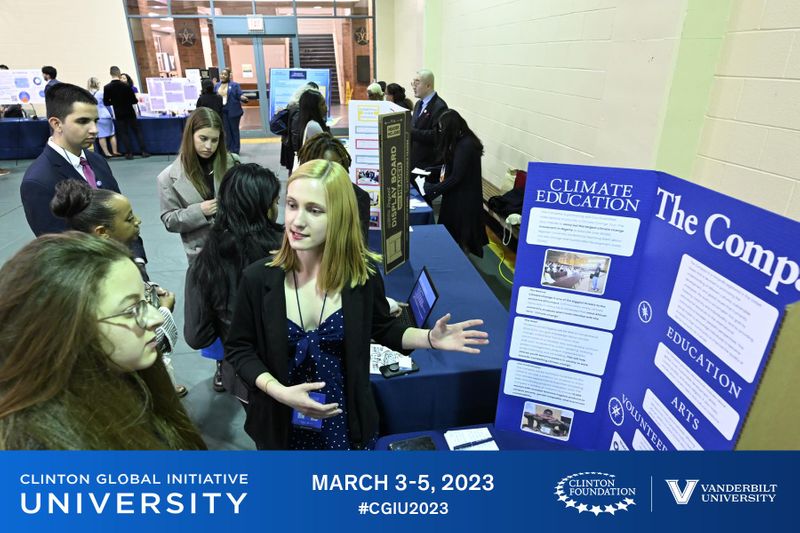
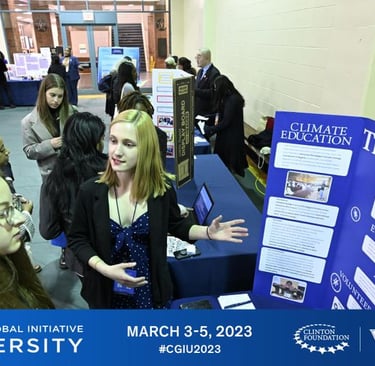
The project was selected to be presented at the Clinton Global Initiative University in March 2023, a program of the Clinton Foundation. This event was attended by Bill, Hillary, and Chelsea Clinton, alongside other notable individuals like Pete Buttigieg. It was presented to over 1,000 attendees and fostered through a 1-year incubator program afterwards.
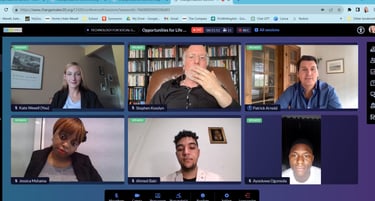
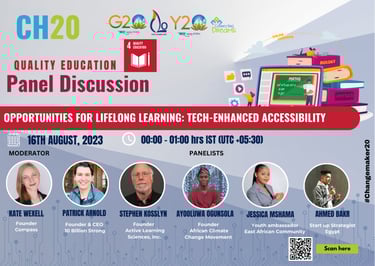
It also received recognition and funding from the Jane Goodall Institute, as well as programs associated with the G20. Although the nonprofit was closed in June 2024, I was selected to speak about my initiatives with the United Nations Human Rights Social Forum in October 2025 in Geneva, Switzerland. The focus of the forum was on education, specifically on how to improve access to education through digital resources.
Overall, the nonprofit reached 20,000 users globally, representing 75 countries, with 250 youth using AI climate action tools and 2,000 students receiving in-person training.