Are Partisan Politics Destroying the UK's EV Transition?
The UK's focus on localized manufacturing and competing against Chinese production and US tariffs might threaten EV adoption
Kate Wexell
1/8/2026
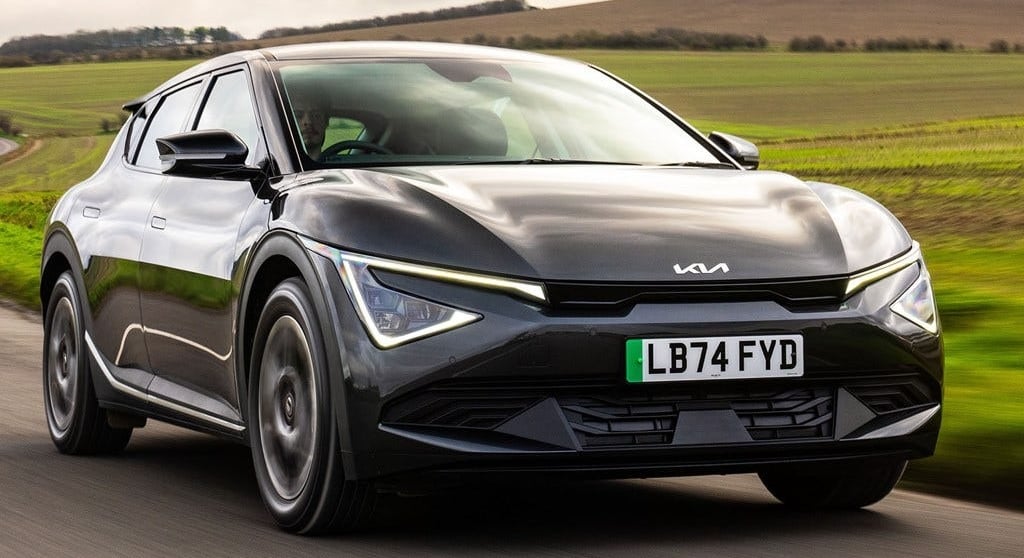
The United Kingdom is committed to banning new petrol and diesel cars by 2030. Now, that could be walked back to 90% by 2035 due to EU pressures. Despite electric vehicles making up a dominant strategy in the UK clean energy transition, partisan politics might threaten their future entirely.
Climate Advisors Say "Go Electric"
The UK's climate advisors have made it clear: tackling transport emissions is essential if the country is to meet its climate targets. EVs are expected to account for a large share of reductions over the next decade.
This is especially essential to provide for disadvantaged communities. Friends of the Earth found that low-income households are exposed to the worst air quality in the country. Despite being the least likely to afford EVs or install home charging systems, these are the people most affected by a transition.
But government plans rarely exist in a vacuum. Recommendations from scientists clash with political agendas and international trade realities. Now that the Labour Party is in office, the focus is on domestic growth over immediate climate priorities.
Domestic Manufacturing vs. Global Competition
UK car manufacturing is struggling. Trump-era tariffs on US imports caused production to slump to its lowest point since 1953, outside of COVID. Although the UK was able to secure a deal to sell 100,000 vehicles at a 10% discount, there is other competition. Chinese EV makers like BYD are entering the UK market with compact, affordable vehicles.
The same industrial-focused Midland population that voted the Labour Party into office are the ones struggling. They face global competition, geopolitical pressures, and a government increasingly focused on protecting local manufacturing rather than ensuring broad consumer access.
Due to these factors, the Labour Party is focusing on internal growth, protecting jobs, boosting domestic industry, and promoting local production. This is a global theme right now.
The problem is that these are short-term election priorities in a long-term game. Political considerations about a local economy and voter constituency are shaping EV policy more than environmental necessity.
Can the Transition Survive Partisan Politics?
Cheaper EVs and operational savings make adoption more accessible. But when political maneuvering dominates, progress slows.
Previously, the US provided a template. The Inflation Reduction Act offered rebates to low- and middle-income families, linked to vehicle purchase and home charging. EV adoption increased while supporting domestic manufacturing.
The UK could adopt a similar approach: subsidize UK-made vehicles, incentivize home charging, and allow imports at a small premium. A policy like this balances accessibility, domestic production, and climate goals without letting politics dictate outcomes. However, this would require a very careful reallocation of funds that might not be available due to the smaller size of the UK economy.
The Reality
Right now, UK EV policy is a geopolitical and partisan chess game. Local production and industrial protectionism dominate the conversation. These decisions may secure short-term political victories - but they risk undermining the climate transition.
EVs will eventually become cheaper and more available. But without a policy that prioritizes the environment and citizens over political calculations, the people who need them most will remain behind.